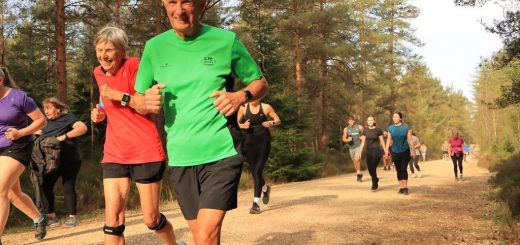
What Walking Every Day Did for My Body and My Mind

Of all the habits I have adopted over the years, the one that has given me the most while asking the least is also the most unglamorous: walking. Not power walking, not training for anything, not tracking my pace or competing with a number on a screen. Just walking, most days, for the simple sake of it. I came to it almost by accident during a difficult stretch when more intense exercise felt impossible, and I have never let it go. It has done more for me, body and mind, than any gym membership I ever paid for and rarely used.
The Most Underrated Form of Movement
We have a strange cultural blind spot about walking. Because it is so ordinary, so accessible, and requires no equipment or skill, we tend to dismiss it as not real exercise. We chase intense workouts and complicated fitness regimes while overlooking the gentle, sustainable movement that humans evolved to do for hours every day. For most of human history, walking was not a deliberate activity at all; it was simply how we moved through the world, and our bodies are built around it.
The health benefits, while not dramatic in any single session, accumulate powerfully over time. Regular walking supports cardiovascular health, helps regulate blood sugar, strengthens the body gently without the injury risk of high-impact exercise, and is something you can sustain for life rather than abandoning after a few overly ambitious weeks. The best exercise is the one you actually do, and almost anyone can keep walking.
Where the Thinking Happens
What surprised me most was not what walking did for my body but what it did for my mind. There is a long tradition of thinkers and writers who did their best work while walking, and I came to understand why. Something about the rhythm of walking, the gentle forward motion combined with the steady stream of changing scenery, seems to unlock the mind. Problems that felt knotted and impossible at my desk would quietly untangle themselves a kilometer into a walk.
I started to treat walks as a thinking tool. When I was stuck on a difficult problem, I would leave my desk and walk, and more often than not, I would return with the answer, or at least a fresh angle on it. The solution did not come from forcing it. It came from giving my mind the loose, unfocused state that walking induces, where ideas can drift and connect freely without the pressure of a screen demanding output.
An Antidote to a Sedentary Life
Much of modern life conspires to keep us still. We sit to work, sit to travel, and sit to relax, accumulating hours of stillness that our bodies were never designed for. The damage of this sedentary existence is well documented, and no amount of intense exercise a few times a week fully undoes the harm of sitting motionless for most of our waking hours.
Walking offered me a way to break up that stillness throughout the day rather than trying to compensate for it in one heroic burst. A short walk in the morning, another at lunch, and one in the evening kept my body in motion and broke the long stretches of sitting. These walks were not workouts to recover from; they were a gentle, ongoing counterweight to the stillness that the rest of my day imposed.
- Walk most days, even if only for ten or fifteen minutes.
- Use walks to think through problems rather than forcing solutions at a desk.
- Break up long periods of sitting with short walks throughout the day.
- Leave the headphones off sometimes to let your mind fully wander.
Walking Without Distraction
For a long time, I never walked without filling my ears with a podcast or music. The walks were pleasant enough, but they did not have the restorative quality I eventually discovered. When I started occasionally walking with nothing in my ears, no input at all, the experience deepened considerably. With nothing to listen to, I began to actually notice the world around me: the changing seasons, the small details of my neighborhood, the people and animals going about their day.
This undistracted walking became a kind of moving meditation. My attention settled. My thoughts slowed and clarified. The anxious mental chatter that usually filled my head softened into something quieter. I do not always walk this way, but when I want to clear my head rather than fill it, the silent walk is the most reliable tool I have.
A Habit That Asks Almost Nothing
Part of why walking has stuck when so many other healthy intentions failed is that the barrier to doing it is nearly zero. There is no gym to drive to, no clothes to change into, no equipment to maintain, no skill to learn, and no risk of the kind of injury that derails ambitious exercise plans. You simply open the door and go. On days when I have no energy for anything else, I can still manage a walk, and that low bar is precisely what makes it sustainable over years rather than weeks.
The Simplest Thing That Works
We are forever searching for the optimal routine, the perfect program, the breakthrough habit that will transform our health and clear our minds. In my own search, the answer turned out to be almost laughably simple and available to nearly everyone, for free, at any time. Walking will not give you dramatic results overnight, and it makes for an unimpressive story. But practiced daily, year after year, it quietly delivers a steadier body, a clearer mind, and a calmer spirit. Sometimes the most ordinary habit is the one that matters most, waiting on the other side of your front door.